
Chuginadak
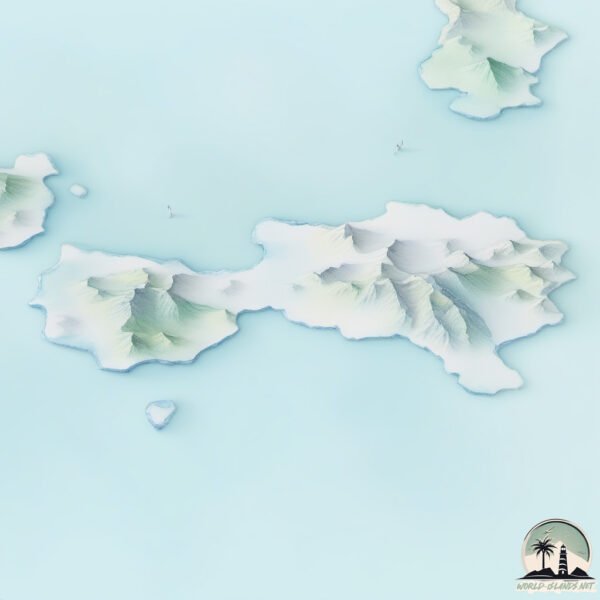
Welcome to Chuginadak, a Polar island in the Bering Sea, part of the majestic Pacific Ocean. This guide offers a comprehensive overview of what makes Chuginadak unique – from its geography and climate to its population, infrastructure, and beyond. Dive into the details:
- Geography and Size: Explore the island’s size and location.
- Climate and Weather: Weather patterns and temperature.
- Topography and Nature: Uncover the natural wonders of the island.
- Infrastructure and Travelling: Insights on reaching, staying, and making the most of your visit.
- News and Headlines: Latest News.
Geography and size of Chuginadak
Size: 165.9 km²
Coastline: 134.3 km
Ocean: Pacific Ocean
Sea: Bering Sea
Continent: North America
Chuginadak is a Large Island spanning 166 km² with a coastline of 134 km.
Archipel: Aleutian Islands – A chain of islands stretching from Alaska to Russia, known for their rugged beauty, abundant wildlife, and volcanic activity.
Tectonic Plate: Africa – One of the world’s largest tectonic plates, covering the African continent and parts of the surrounding oceans, known for its stability with some active rift zones.
The geographic heart of the island is pinpointed at these coordinates:
Latitude: 52.83679854 / Longitude: -169.82523133
Climate and weather of Chuginadak
Climate Zone: Polar
Climate Details: Tundra
Temperature: Cold
Climate Characteristics: The tundra climate features long, extremely cold winters and short, cool summers. Vegetation is limited to mosses, lichens, and small shrubs due to the low temperatures and short growing seasons. Biodiversity is low, but some specialized species thrive.
Topography and nature of Chuginadak
Timezone: UTC-10:00
Timezone places: Pacific/Honolulu
Max. Elevation: 1730 m Mt. Cleveland
Mean Elevation: 342 m
Vegetation: Herbaceous Cover
Tree Coverage: 25%
The mean elevation is 342 m. Dominating the island’s landscape, the majestic “Mt. Cleveland” rises as the highest peak, soaring to impressive heights. The island is characterized by Mountains: High, steeply elevated landforms. Characterized by both a high maximum elevation (over 500 meters) and a high mean elevation, creating rugged, mountainous terrains on islands.
Dominating Vegetation: Herbaceous Cover
Comprising mainly of grasses, herbs, and ferns, these areas are common in prairies, meadows, and savannas, and can vary widely in species composition. Chuginadak has a tree cover of 25 %.
Vegetation: 13 vegetation zones – Exceptionally Diverse Island
Islands with more than ten vegetation zones are among the most ecologically rich and varied in the world. These islands are akin to miniature continents, boasting an incredible array of ecosystems. The sheer range of habitats, from high peaks to deep valleys, rainforests to deserts, creates a mosaic of life that is unparalleled. They are crucial for conservation and ecological studies.
Infrastructure and Travelling to Chuginadak
Does the island have a public airport? no.
There is no public and scheduled airport on Chuginadak. The nearest airport is Tom Madsen (Dutch Harbor) Airport, located 366 km away.
Does the island have a major port? no.
There are no major ports on Chuginadak. The closest major port is MAKUSHIN, approximately 315 km away.
The mean population of Chuginadak is 0 per km². Chuginadak is Uninhabited. The island belongs to United States of America.
Continuing your journey, Carlisle is the next notable island, situated merely km away.
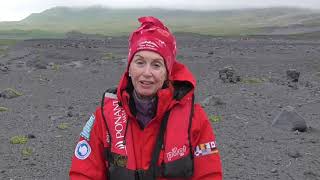
Le Soleal Cruise Landing on Chuginadak Four Mountains, Aleutian Islands


United States of America is classified as Developed region: G7: Group of Seven – Major advanced economies, including Canada, France, Germany, Italy, Japan, the United Kingdom, and the United States. The level of income is High income: OECD.
News – Latest Updates and Headlines from Chuginadak
Stay informed with the most recent news and important headlines from Chuginadak. Here’s a roundup of the latest developments.
Please note: The data used here has been primarily extracted from satellite readings. Deviations from exact values may occur, particularly regarding the height of elevations and population density. Land area and coastline measurements refer to average values at mean high tide.