
Isle of May
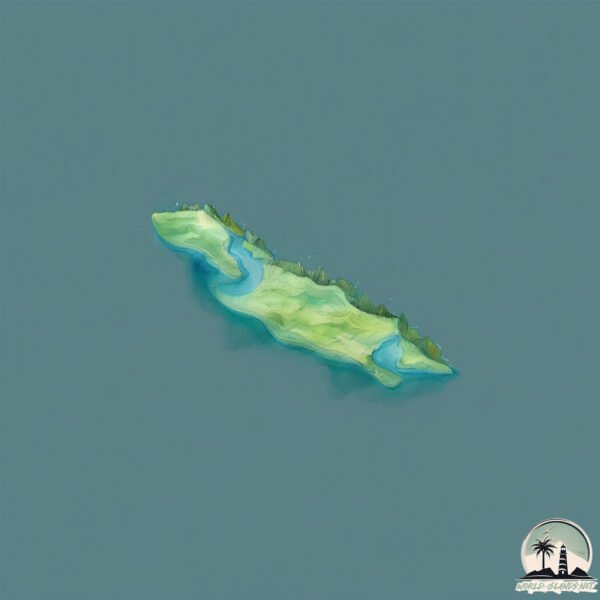
Welcome to Isle of May, a Temperate island in the North Sea, part of the majestic Atlantic Ocean. This guide offers a comprehensive overview of what makes Isle of May unique – from its geography and climate to its population, infrastructure, and beyond. Dive into the details:
- Geography and Size: Explore the island’s size and location.
- Climate and Weather: Weather patterns and temperature.
- Topography and Nature: Uncover the natural wonders of the island.
- Infrastructure and Travelling: Insights on reaching, staying, and making the most of your visit.
- News and Headlines: Latest News.
Geography and size of Isle of May
Size: 0.65 km²
Coastline: 4.6 km
Ocean: Atlantic Ocean
Sea: North Sea
Continent: Europe
Isle of May is a Tiny Island spanning 0.65 km² with a coastline of 4.6 km.
Archipel: British Isles – A group of islands off the northwest coast of mainland Europe, including Great Britain, Ireland, and over 6,000 smaller islands, known for their rich history and cultural diversity.
Tectonic Plate: Eurasia – One of the world’s largest tectonic plates, the Eurasian Plate covers a significant portion of Europe and Asia. It’s characterized by diverse geological features, including the Ural Mountains, the European Plain, and the Himalayas formed from its collision with the Indian Plate.
The geographic heart of the island is pinpointed at these coordinates:
Latitude: 56.18616858 / Longitude: -2.55689935
Climate and weather of Isle of May
Climate Zone: Temperate
Climate Details: Temperate Oceanic Climate
Temperature: Warm Summer
Climate Characteristics: Known for its moderate year-round temperatures with ample rainfall and no dry season. Warm summers are characteristic.
Topography and nature of Isle of May
Timezone: UTC±00:00
Timezone places: Europe/London
Max. Elevation: 7 m
Mean Elevation: -2 m
Vegetation: Agricultural Mosaic
Tree Coverage: 9%
The mean elevation is -2 m. The highest elevation on the island reaches approximately 7 meters above sea level. The island is characterized by Plains: Flat, low-lying lands characterized by a maximum elevation of up to 200 meters. On islands, plains are typically coastal lowlands or central flat areas.
Dominating Vegetation: Agricultural Mosaic
A mix of cropland and natural vegetation, often seen in rural landscapes where agricultural fields are interspersed with patches of natural habitats. Isle of May has a tree cover of 9 %.
Vegetation: 2 vegetation zones – Low Diversity Island
Islands with two distinct vegetation zones offer slightly more ecological variety. These zones could be due to differences in elevation, moisture, or other environmental factors. While still limited in biodiversity, these islands may offer a contrast between the two zones, such as a coastline with mangroves and an inland area with grassland.
Infrastructure and Travelling to Isle of May
Does the island have a public airport? no.
There is no public and scheduled airport on Isle of May. The nearest airport is Dundee Airport, located 59 km away.
Does the island have a major port? no.
There are no major ports on Isle of May. The closest major port is DUNBAR, approximately 20 km away.
The mean population of Isle of May is 9 per km². Isle of May is Gently Populated. The island belongs to United Kingdom.
Continuing your journey, Walney Island is the next notable island, situated merely km away.
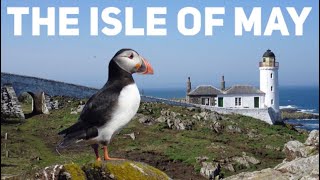
Island adventures and puffin spotting on the magnificent Isle of May on the Firth of Forth, Scotland


United Kingdom is classified as Developed region: G7: Group of Seven – Major advanced economies, including Canada, France, Germany, Italy, Japan, the United Kingdom, and the United States. The level of income is High income: OECD.
News – Latest Updates and Headlines from Isle of May
Stay informed with the most recent news and important headlines from Isle of May. Here’s a roundup of the latest developments.
- Q2 2026 – UK Merger Control and National Security/Investment Screening Update - Akinby "united-kingdom" - Google News on 7 April 2026
Q2 2026 – UK Merger Control and National Security/Investment Screening Update Akin
- Modelo Especial UK launch set to shake up the sector - The Drinks Businessby "united-kingdom" - Google News on 7 April 2026
Modelo Especial UK launch set to shake up the sector The Drinks Business
- Bright Edge Networks announces partnership with Eazycomm - Telecompaperby "united-kingdom" - Google News on 7 April 2026
Bright Edge Networks announces partnership with Eazycomm Telecompaper
- A smuggling network moving people from Vietnam to the UK via Belgium and France generated over EUR 50 million in turnover – World Border Security Congress - World Border Security Congressby "united-kingdom" - Google News on 7 April 2026
A smuggling network moving people from Vietnam to the UK via Belgium and France generated over EUR 50 million in turnover – World Border Security Congress World Border Security Congress
- UK caps student loan interest rates at 6% citing global inflation risks - Reutersby "united-kingdom" - Google News on 7 April 2026
UK caps student loan interest rates at 6% citing global inflation risks Reuters
- United Kingdom Joins France, Sweden, Germany, Denmark, Bulgaria, Luxembourg, And More Countries In Facing Travel Roadblocks As Europe Aviation Tax Woes Intensify Ahead Of Summer Travel Surge - Travel And Tour Worldby "united-kingdom" - Google News on 7 April 2026
United Kingdom Joins France, Sweden, Germany, Denmark, Bulgaria, Luxembourg, And More Countries In Facing Travel Roadblocks As Europe Aviation Tax Woes Intensify Ahead Of Summer Travel Surge Travel And Tour World
- Who’s Funding: Postcode Lottery, Parkinson’s UK, Selco and more - Civil Society Mediaby "united-kingdom" - Google News on 7 April 2026
Who’s Funding: Postcode Lottery, Parkinson’s UK, Selco and more Civil Society Media
- It’s official: UK Champagne market returns to growth - The Drinks Businessby "united-kingdom" - Google News on 7 April 2026
It’s official: UK Champagne market returns to growth The Drinks Business
- Swinney demands action as he warns cost-of-living crisis to ‘get worse’ - Welwyn Hatfield Timesby "united-kingdom" - Google News on 7 April 2026
Swinney demands action as he warns cost-of-living crisis to ‘get worse’ Welwyn Hatfield Times
- Roberto González-Monjas and Galicia Symphony Orchestra Embark on UK Tour 10 – 17 April - IMG Artistsby "united-kingdom" - Google News on 7 April 2026
Roberto González-Monjas and Galicia Symphony Orchestra Embark on UK Tour 10 – 17 April IMG Artists
Please note: The data used here has been primarily extracted from satellite readings. Deviations from exact values may occur, particularly regarding the height of elevations and population density. Land area and coastline measurements refer to average values at mean high tide.