
Marmot
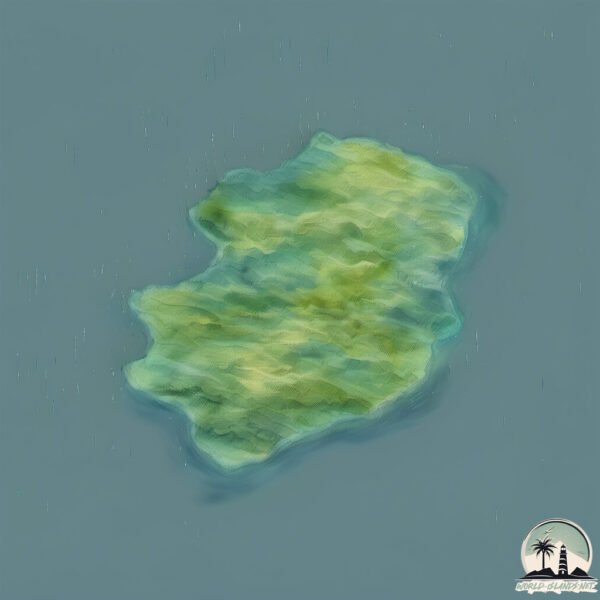
Welcome to Marmot, a Temperate island in the Gulf of Alaska, part of the majestic Pacific Ocean. This guide offers a comprehensive overview of what makes Marmot unique – from its geography and climate to its population, infrastructure, and beyond. Dive into the details:
- Geography and Size: Explore the island’s size and location.
- Climate and Weather: Weather patterns and temperature.
- Topography and Nature: Uncover the natural wonders of the island.
- Infrastructure and Travelling: Insights on reaching, staying, and making the most of your visit.
- News and Headlines: Latest News.
Geography and size of Marmot
Size: 45.7 km²
Coastline: 55.8 km
Ocean: Pacific Ocean
Sea: Gulf of Alaska
Continent: North America
Marmot is a Medium Island spanning 46 km² with a coastline of 56 km.
Archipel: –
Tectonic Plate: North America – Covers North America and parts of the Atlantic and Arctic Oceans, characterized by diverse geological features and varying levels of seismic activity.
The geographic heart of the island is pinpointed at these coordinates:
Latitude: 58.21732838 / Longitude: -151.83998097
Climate and weather of Marmot
Climate Zone: Temperate
Climate Details: Subpolar Oceanic Climate
Temperature: Cold Summer
Climate Characteristics: Predominantly cold with cool summers and no dry season. Often found in coastal areas at higher latitudes or on islands.
Topography and nature of Marmot
Timezone: UTC-09:00
Timezone places: America/Anchorage
Max. Elevation: 439 m
Mean Elevation: 196 m
Vegetation: Evergreen Needleleaf Forest
Tree Coverage: 89%
The mean elevation is 196 m. The highest elevation on the island reaches approximately 439 meters above sea level. The island is characterized by Hills: Gently sloping landforms with rounded tops, having a maximum elevation between 200 and 500 meters. Hills contribute to a varied landscape on islands.
Dominating Vegetation: Evergreen Needleleaf Forest
Dominated by evergreen coniferous trees such as pines and firs, which retain their needle-like leaves throughout the year. These forests are often found in cooler climates. Marmot has a tree cover of 89 %.
Vegetation: 7 vegetation zones – Very Highly Diverse Island
Islands in this range are ecological powerhouses, showcasing a wide array of vegetation zones. Each zone, from lush rainforests to arid scrublands, coastal mangroves to mountainous regions, contributes to a complex and interdependent ecosystem. These islands are often hotspots of biodiversity, supporting numerous species and intricate ecological processes.
Infrastructure and Travelling to Marmot
Does the island have a public airport? no.
There is no public and scheduled airport on Marmot. The nearest airport is Ouzinkie Airport, located 69 km away.
Does the island have a major port? no.
There are no major ports on Marmot. The closest major port is KODIAK, approximately 72 km away.
The mean population of Marmot is 0 per km². Marmot is Uninhabited. The island belongs to United States of America.
Continuing your journey, Spruce is the next notable island, situated merely km away.
Marmot Island


United States of America is classified as Developed region: G7: Group of Seven – Major advanced economies, including Canada, France, Germany, Italy, Japan, the United Kingdom, and the United States. The level of income is High income: OECD.
News – Latest Updates and Headlines from Marmot
Stay informed with the most recent news and important headlines from Marmot. Here’s a roundup of the latest developments.
Please note: The data used here has been primarily extracted from satellite readings. Deviations from exact values may occur, particularly regarding the height of elevations and population density. Land area and coastline measurements refer to average values at mean high tide.