Welcome to New Year Island, a Tropical island in the Timor Sea, part of the majestic Indian Ocean. This guide offers a comprehensive overview of what makes New Year Island unique – from its geography and climate to its population, infrastructure, and beyond. Dive into the details:
Geography and size of New Year Island
Size: 0.213 km²
Coastline: 2.1 km
Ocean: Indian Ocean
Sea: Timor Sea
Continent: Oceania
New Year Island is a Tiny Island spanning 0.213 km² with a coastline of 2.1 km.
Archipel: –
Tectonic Plate: Australia – A major tectonic plate covering Australia, New Zealand, and parts of the Indian and Pacific Oceans, known for its relative stability and occasional seismic activity.
The geographic heart of the island is pinpointed at these coordinates:
Latitude: -15.67175476 / Longitude: 131.18421782
Climate and weather of New Year Island
Climate Zone: Tropical
Climate Details: Tropical Savanna, Wet
Temperature: Hot
Climate Characteristics: Defined by distinct wet and dry seasons with high temperatures year-round. Pronounced rainfall occurs during the wet season, while the dry season is marked by drought.
Topography and nature of New Year Island
Timezone: UTC+08:00
Timezone places: Australia/Perth
Max. Elevation: 5 m
Mean Elevation: -1 m
Vegetation: Herbaceous Cover
Tree Coverage: 66%
The mean elevation is -1 m. The highest elevation on the island reaches approximately 5 meters above sea level. The island is characterized by Plains: Flat, low-lying lands characterized by a maximum elevation of up to 200 meters. On islands, plains are typically coastal lowlands or central flat areas.
Dominating Vegetation: Herbaceous Cover
Comprising mainly of grasses, herbs, and ferns, these areas are common in prairies, meadows, and savannas, and can vary widely in species composition. New Year Island has a tree cover of 66 %.
Vegetation: 3 vegetation zones – Moderately Diverse Island
These islands start to show a broader range of ecological niches. With three vegetation zones, they may offer a mix of ecosystems like coastal areas, inland woods, and perhaps a distinct wetland or dry area. This diversity supports a wider range of flora and fauna, making these islands more ecologically complex than those with minimal diversity.
Infrastructure and Travelling to New Year Island
Does the island have a public airport? no.
There is no public and scheduled airport on New Year Island. The nearest airport is Maningrida Airport, located 184 km away.
Does the island have a major port? no.
There are no major ports on New Year Island. The closest major port is ESPERANCE, approximately 247 km away.
The mean population of New Year Island is 0 per km². New Year Island is Uninhabited. The island belongs to Australia.
Continuing your journey, Grant is the next notable island, situated merely km away.
Who Celebrates New Year First. Kiribati vs American Samoa
Have you ever wondered which country gets to celebrate the New Year first? The answer lies in how the Earth is divided into 24 ...Who Celebrates New Year First. Kiribati vs American Samoa
Have you ever wondered which country gets to celebrate the New Year ...
Have you ever wondered which country gets to celebrate the New Year first? The answer lies in how the Earth is divided into 24 ...
new year island eas alarm (australia)
original video:no user.
original video:no user.
First & Last Places to Celebrate New Year 😱🌎 International Date Line
Have you ever wondered which country celebrates the New Year first and ...
Have you ever wondered which country celebrates the New Year first and which one is last? New Year doesn't arrive ...
Kiribati - Things you never knew
In this video, we'll share some of the things you never knew about ...
In this video, we'll share some of the things you never knew about Kiribati. From the native culture to the dangers of coral ...
New Year Island January 2024
Kiribati Island New Year 2026 | First Country to Welcome 2026 - Aaj Pakistan News
AajNews #PakistanNewsLive #BreakingNews #PakistanNews #LatestNews ...
AajNews #PakistanNewsLive #BreakingNews #PakistanNews #LatestNews Kiribati Island New Year 2026 | First Country to ...
HUGE HOME IMPROVEMENT IN THE PHILIPPINES | CELEBRATING NEW YEAR | ISLAND LIFE
islandlife #philippines ...
islandlife #philippines #EcoFlowPH#EcoFlowRIVER3MaxPlus#ecoflowpowerstation In this episode, we continue our DIY home ...
15 Islands Formed in past 100 Years
New islands are supposed to take ages—carved out by slow tectonic ...
New islands are supposed to take ages—carved out by slow tectonic shifts or patiently built by coral over centuries. But in the last ...
Why I won't be coming back to Zanzibar
New Year 2026: Kiribati and New Zealand Usher in the New Year First | WION
Kiribati and New Zealand were among the first countries to welcome the ...
Kiribati and New Zealand were among the first countries to welcome the New Year, marking the global celebrations with festive ...
Top 10 Vacation Spots You Must Visit in the World! ✈️ Part 2
City Island | Celebration | PBS KIDS
All of City Island comes together for a big New Year's celebration, ...
All of City Island comes together for a big New Year's celebration, and we see all the ways the community comes together to make ...
Building New Year Island - Happy new year #newyear2025
New Year Island (Tasmanien)
New Year Island ist eine unbewohnte, 98,22 Hektar große Insel im ...
New Year Island ist eine unbewohnte, 98,22 Hektar große Insel im Südosten Australiens, die zum Bundesstaat Tasmanien gehört ...
DON'T GO BORACAY! #boracay #boracayisland #boracay2023 #philippines
Please remember to the video and click the SUBSCRIBE button for future ...
Please remember to the video and click the SUBSCRIBE button for future uploads. ----- About Us We're Field of Visions (Nadia, ...
Did you know in Iceland....
Countries #Shorts #Maps #Iceland ...
Countries #Shorts #Maps #Iceland ---------------------------------------------------------------------------- This video is about the the things or ...
new year island update 3 trailer
New Year's Eve Celebration at The Island in Pigeon Forge! FREE Concert & Fireworks!
Get ready to rock in the New Year at The Island in Pigeon Forge! Join ...
Get ready to rock in the New Year at The Island in Pigeon Forge! Join us for a FREE New Year's Eve celebration featuring ...
Save this when visiting Krabi Island
Read full blog post: ...
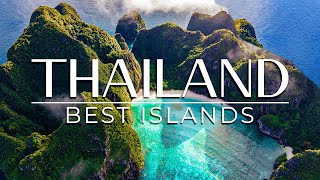
The BEST ISLANDS In Thailand 2026 🇹🇭 (Travel Guide)
Don't forget your Travel Insurance, this is the fantastic one I use - ...
This Country Has 79 Years Left to Live
Climate change never felt more real to my eyes until I arrived here in ...
Climate change never felt more real to my eyes until I arrived here in KIRIBATI - a small island nation in the Central Pacific Ocean.
Larva Island: 2021 New Year's Eve Countdown 🎊 Netflix Family
It's time for the 2021 New Year's Countdown - Larva Island style! Have ...
It's time for the 2021 New Year's Countdown - Larva Island style! Have a Happy Tropical New Year ! SUBSCRIBE: ...
Choosing Your Canary Island: A Complete Guide
We're taking you on a journey to the Canary Islands. But not just any ...
We're taking you on a journey to the Canary Islands. But not just any journey, we're helping you decide which Canary Island to ...
Best Beach in the World | Maya Bay | Thailand Travel Vlog | Phi Phi Island
Best Beach in the World | Maya Bay | Thailand Travel Vlog | Phi Phi ...
Best Beach in the World | Maya Bay | Thailand Travel Vlog | Phi Phi Island This stunning location is Maya Bay which is a ...
Australia is classified as Developed region: nonG7: Developed economies outside of the Group of Seven, characterized by high income and advanced economic structures. The level of income is High income: OECD.
News – Latest Updates and Headlines from New Year Island
Stay informed with the most recent news and important headlines from New Year Island. Here’s a roundup of the latest developments.
Loading...
Please note: The data used here has been primarily extracted from satellite readings. Deviations from exact values may occur, particularly regarding the height of elevations and population density. Land area and coastline measurements refer to average values at mean high tide.